Read More
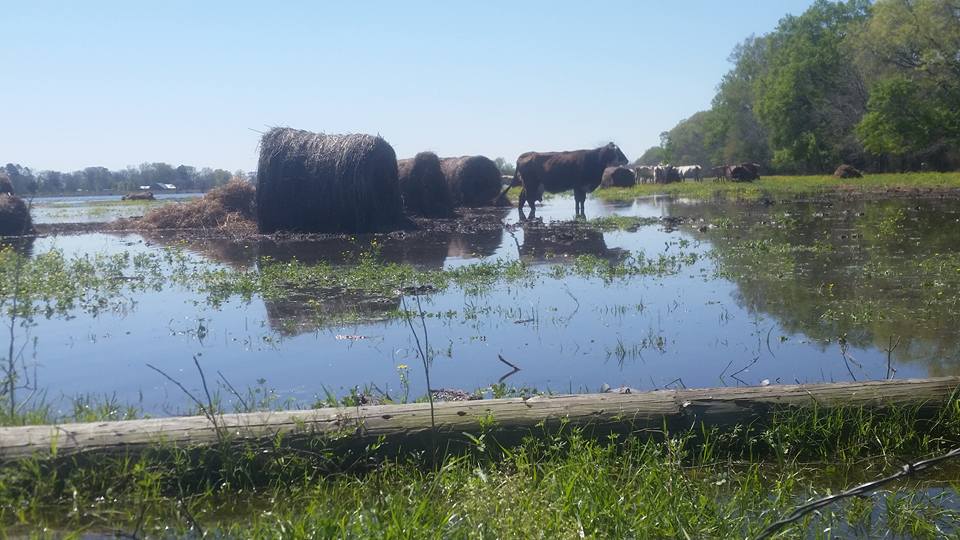 “It wasn’t a hurricane that struck Louisiana early in March, but some after affects were about the same,” reports Don Molino (Louisiana Farm Bureau Agri-News Radio Network). “Heavy and slow moving thunderstorms dumped more than 20 inches of rainfall in parts of the state, causing flash flooding and inundating freshly planted corn fields, turning them into lakes,” Don said.
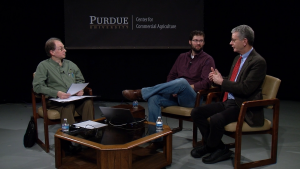 Hoosier Ag Today is partnering with the Purdue University Center for Commercial Agriculture to produce a series of video reports designed to improve farmers' productivity and profitability.
 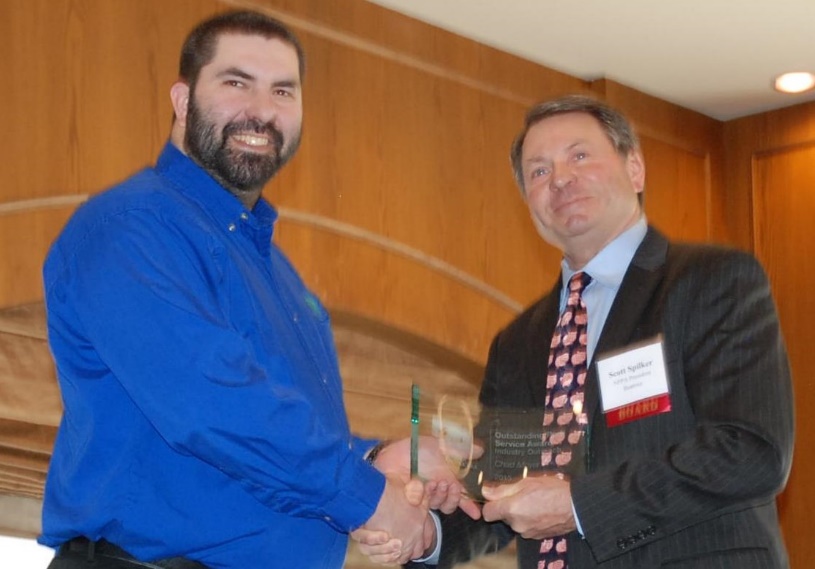 Chad Moyer was presented with the award during the 2016 Annual Meeting, February 17. His award was one of the Outstanding Pork Service Awards given annually to recognize exceptional work by an individual, company, or organization that has advocated the fundamental efforts of the Nebraska Pork Producers Association.
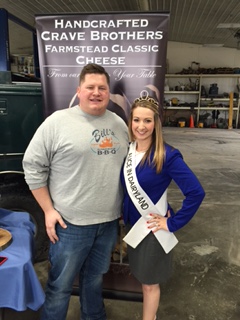 Bryant Gill (Wisconsin Farm Report, Madison, WI) was born and raised in the Platteville/Belmont area in southwest Wisconsin. He grew up raising and showing purebred Berkshire hogs, and he was very active in 4-H speaking contests.
  New NAFB member Kyle Hill (KRES, Moberly, MO) was named 2015 Ag Communicator of the Year by the Missouri Department of Agriculture this past December.